
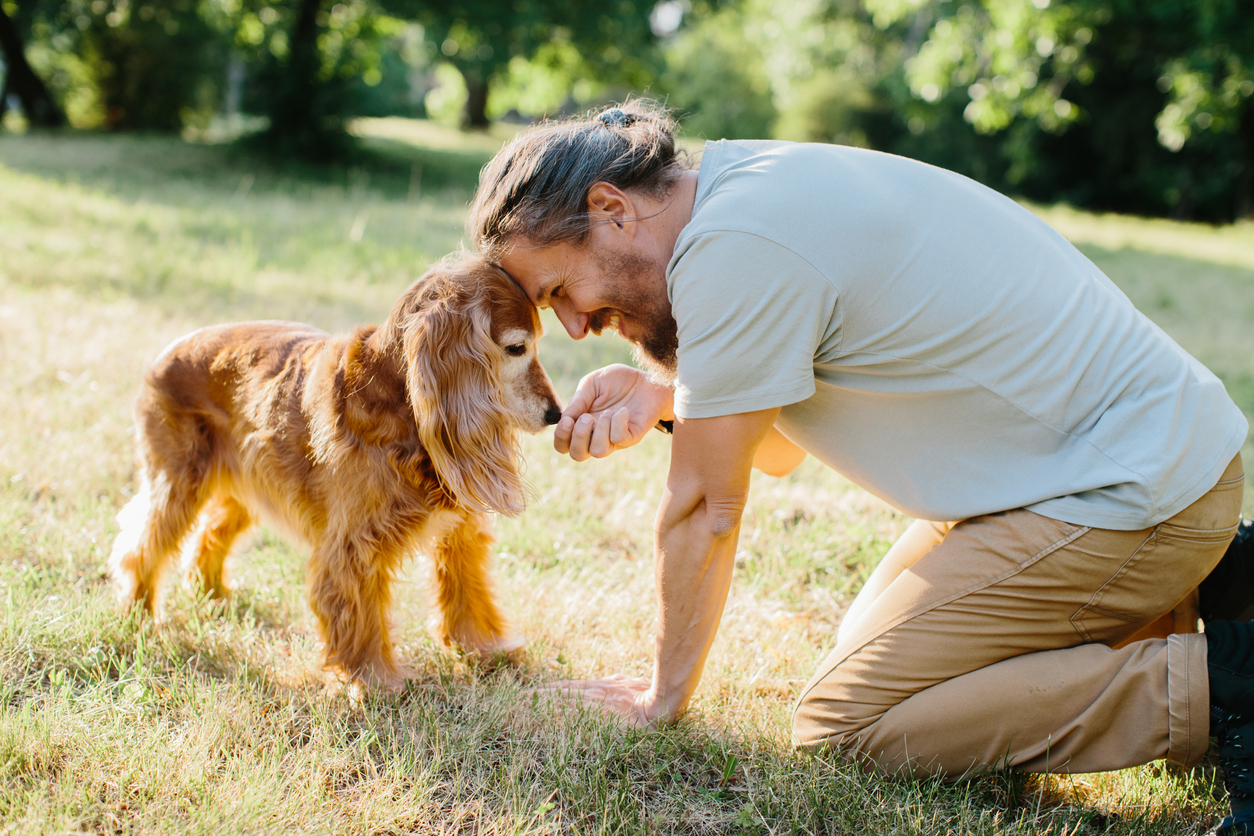
Has your dog been drinking more water or asking to go outside more often? Perhaps you have also noticed a bigger appetite or changes in your dog’s coat. It is natural to be concerned when familiar habits change. Cushing’s disease in dogs is one possible explanation, especially in middle-aged and older pets.
At Aspen Veterinary Clinic in Spring Creek, Nevada, we can help you find out what is causing these changes and discuss the care your dog needs. If we diagnose Cushing’s disease, treatment and regular monitoring can help your dog feel better and enjoy daily life.
What Is Cushing’s Disease?
Cushing’s disease occurs when a dog’s body is exposed to too much cortisol over time. Cortisol is a hormone produced by the adrenal glands, two small glands near the kidneys. It helps regulate metabolism, immune function, and the response to stress.
The pituitary gland, located at the base of the brain, sends signals that tell the adrenal glands to produce cortisol. Most naturally occurring cases of Cushing’s disease in dogs begin with a small tumor in the pituitary gland that causes the gland to send too many of these signals. Other cases develop when a tumor in an adrenal gland causes excess cortisol production.
Long-term use of corticosteroid medications can also cause a form of the condition. Corticosteroids such as prednisone help treat allergies, inflammation, and serious immune-system diseases. These medications act like cortisol in the body. Prolonged exposure, especially at higher doses, can produce the effects associated with Cushing’s.
Tell us about all medications your dog receives. Always follow the prescribed dose and speak with us before making changes, because stopping steroids abruptly can be dangerous.
Signs of Cushing’s Disease in Dogs
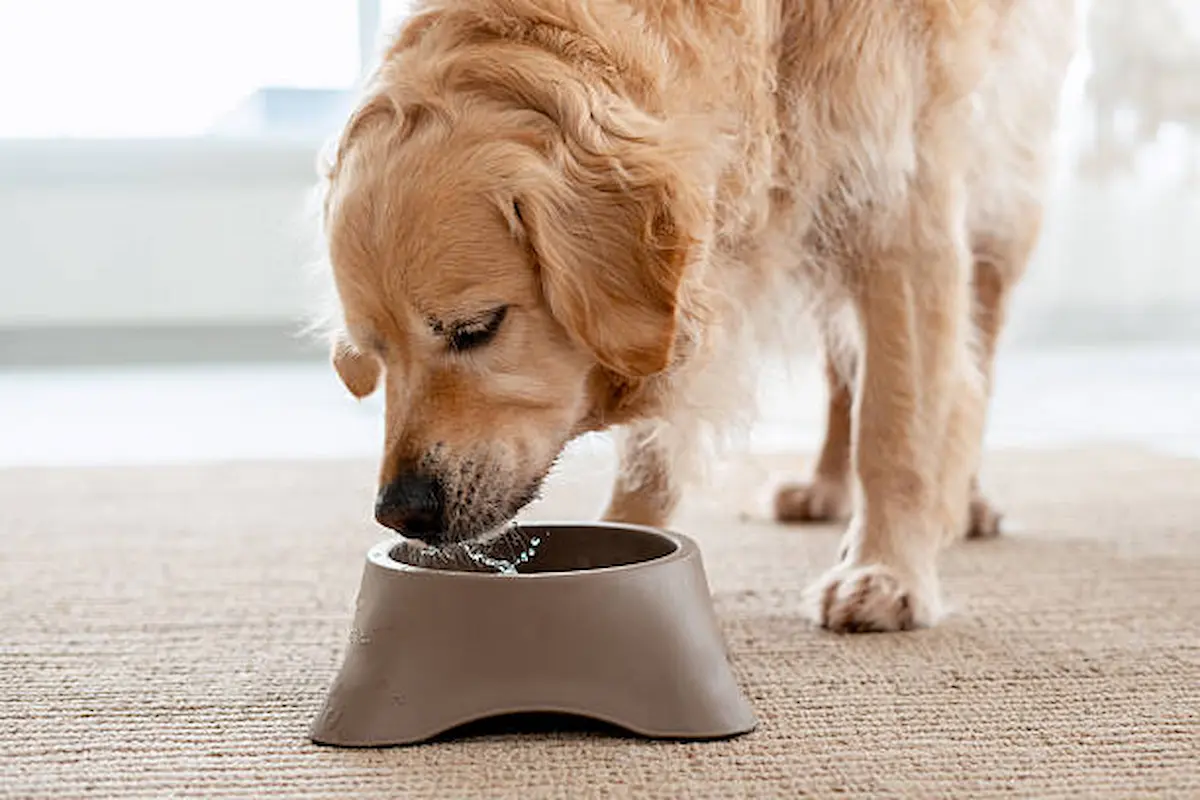
Signs of Cushing’s disease can include:
- Drinking more and urinating more, sometimes with accidents indoors
- An unusually strong appetite
- Increased panting
- A rounded or potbellied abdomen
- Thinning hair or hair loss
- Reduced energy or muscle weakness
- Recurring skin or urinary tract infections
A dog does not need to have every sign. These changes can also occur with other illnesses, so symptoms alone cannot confirm the diagnosis. Cornell University provides additional information about Cushing’s syndrome and its signs.
If you notice increased thirst, frequent urination, or several of these changes together, call us to schedule an examination. Keep fresh water available rather than restricting it to reduce accidents.
How We Investigate the Cause
We start by discussing what has changed, reviewing your dog’s medications, and performing a physical examination. Your observations about drinking, appetite, bathroom habits, and activity help us understand the pattern.
Our internal medicine services include evaluating hormone-related conditions. Bloodwork and urine testing help assess overall health and identify other possible explanations, such as diabetes or kidney disease.
If the findings suggest Cushing’s disease, we recommend specific hormone testing. One commonly used test measures cortisol over several hours after a medication is given. Additional testing or abdominal ultrasound may help distinguish the underlying forms. We explain what each recommended test can tell us and how the results affect treatment decisions.
Can Cushing’s Disease Be Cured?
Most dogs with naturally occurring Cushing’s disease need lifelong treatment to control excess cortisol and manage their symptoms. Medication can help them feel better, but it does not remove the tumor causing the condition.
For some dogs with an adrenal gland tumor, surgery may offer a cure if the tumor can be completely removed and has not spread. Specialized treatment for pituitary tumors is also available in some cases. We discuss the options based on the underlying cause, your dog’s overall health, and the benefits and risks of treatment.
The medication-induced form can often resolve when corticosteroids are gradually withdrawn under veterinary supervision. The original illness may require a different treatment plan.
Although a diagnosis can feel overwhelming, many dogs respond well to treatment. As the condition comes under control, you may notice your dog drinking and urinating less, panting less, and having more energy. Our team will work with you to monitor these changes and adjust care to help your dog stay comfortable and enjoy daily life.
Treating Cushing’s Disease in Dogs
Many dogs receive trilostane, a prescription medication that reduces cortisol production. Treatment requires follow-up examinations and blood tests to assess the response and make sure cortisol does not become too low.
We also rely on your reports about thirst, urination, appetite, and energy. Follow-up visits are more frequent when treatment begins or the dose changes.
If a dog taking trilostane stops eating, vomits, develops diarrhea, or becomes unusually weak or lethargic, withhold the medication and call us that day for instructions. If we are closed, contact an emergency veterinary hospital for guidance. Collapse or difficulty breathing requires immediate emergency veterinary care.
Can Cushing’s Disease Be Prevented?
There is no proven way to prevent the pituitary or adrenal tumors that cause naturally occurring Cushing’s disease. The reasons these tumors develop are not fully understood, and the condition is not a sign that you have failed in caring for your dog.
What you can do is bring changes in your dog’s thirst, appetite, bathroom habits, or appearance to our attention so we can investigate the cause and help your dog feel better.
Help Your Dog Feel Better
Managing Cushing’s disease is an ongoing partnership. We work with you to evaluate improvement, adjust treatment when needed, and address other health problems that may affect your dog’s comfort.
If you have noticed changes in your dog’s health, call Aspen Veterinary Clinic at 775-753-9111 to schedule an examination. We can help you understand what is happening and discuss the next steps for your dog.